Ukrainian Border Embroidery Pattern Review
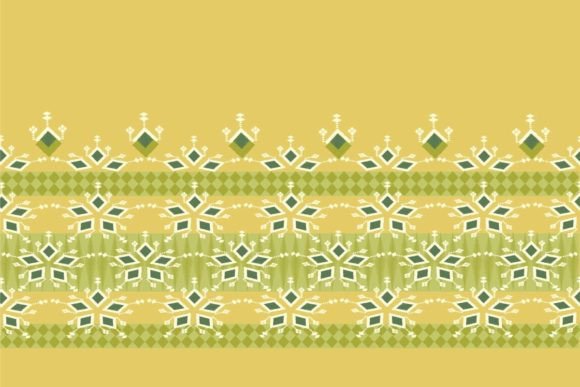
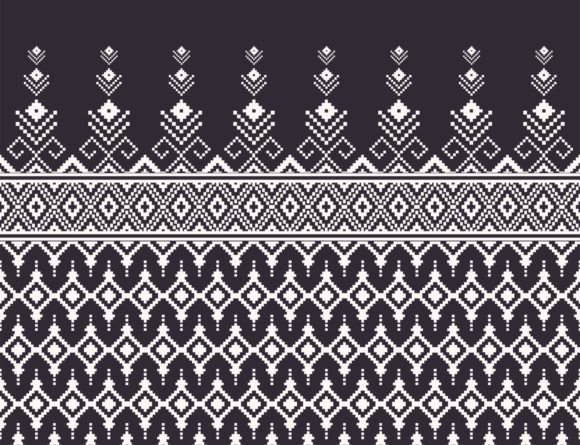
I have spent years designing for the handmade market, and I know that a successful craft fair booth relies on more than just good products; it relies on designs that stop people in their tracks. Today, I am reviewing a specific asset before I commit to producing a full line of merchandise for an upcoming weekend market: the Ukrainian Border Embroidery Pattern. This is a black and white ethnic geometric shape embroidery border elements file intended for fabric and home interior decor. As a professional designer eyeing this for commercial use, my goal is to determine if this design will translate into high-value finished products or if it will get lost in the shuffle of a crowded vendor table.
First Impressions and Visual Impact
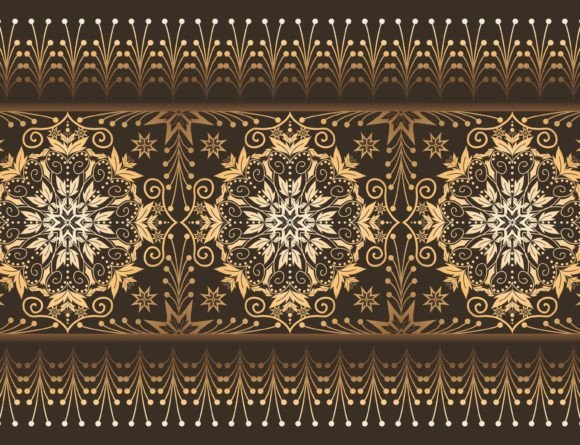
The moment you look at the preview of the Ukrainian Border Embroidery Pattern, the vibe is unmistakably rustic yet premium. It does not feel like a cute, mass-produced sticker or a modern minimalist logo. Instead, it exudes a sense of heritage and tradition. The description highlights "ethnic traditional border seamless pattern," which tells me immediately that this is about storytelling through texture. For a craft fair seller, this is gold. Customers at these events are looking for items with soul, and a design that feels rooted in culture often commands a higher price point than generic floral motifs.
The black and white nature of the illustration suggests versatility. It is bold enough to stand out as a focal point but simple enough to blend seamlessly with various color palettes. Whether your brand leans toward farmhouse chic, bohemian elegance, or artisanal minimalism, this embroidery file offers a strong foundation. It feels decorative without being overwhelming, making it perfect for framing the edges of a product rather than dominating the entire surface area.
Product Potential for Craft Fair Sellers
When I visualize setting up my booth with this design, several key categories come to mind where this machine embroidery design would shine. The primary candidate is the tote bag. A sturdy canvas tote featuring a Ukrainian Border Embroidery Pattern running along the bottom hem or across the top flap creates an immediate sense of quality. The geometric shapes catch the light differently than solid fills, adding depth to the fabric texture. It transforms a basic utility item into a statement piece that customers want to carry.
Kitchen goods are another powerhouse category for this style. Imagine a set of tea towel embroidery pieces where the border frames a blank space for a custom name or date. The ethnic geometric shape embroidery border elements provide a sophisticated frame that elevates the perceived value of the towel. Similarly, apron embroidery using this pattern can create a cohesive look for a chef or a home baker. The border acts as a visual anchor, drawing the eye to the waistline and adding a touch of artisanal flair to a functional garment.
For smaller, impulse-buy items, this design works beautifully on embroidered patches and caps. A small patch featuring a segment of the border can be applied to denim jackets or beanies, offering a subtle nod to craftsmanship. However, for caps, one must be careful with the curvature of the surface. The design needs to be sized correctly so that the geometric details do not distort too much on the curved brim or crown. Fabric pouches and pillow covers also benefit from this pattern. A pillow cover with a wide band of this embroidery creates a luxurious finish that looks expensive, even if the base fabric is affordable cotton.
Photography and Online Listings
In the digital age, your booth display extends to your Etsy listings and social media feeds. The Ukrainian Border Embroidery Pattern photographs exceptionally well because of its high contrast. When photographing printable mockups or finished samples, the black lines pop against white or light-colored fabrics, ensuring clarity in small thumbnail images. This makes it easier for an Etsy seller to capture attention while scrolling through search results. The seamless nature of the pattern also allows for creative marketing angles, such as showing how the border repeats across a long runner or multiple items in a collection.
Production Realities and Technical Considerations
While the aesthetic appeal is clear, a seasoned designer knows that production feasibility determines profitability. Before I cut any thread, I need to evaluate the stitch density. Ethnic patterns often feature intricate details that can become muddy if the stitch count is too high for the fabric weight. If the design contains tiny geometric intersections, they might lose clarity on textured towels or thick denim unless stabilized perfectly.
Testing on scrap fabric is non-negotiable. You must check the thread colors against the final fabric choice. While the source image is black and white, your actual thread selection will define the mood. Using a variegated thread could soften the sharp geometric edges, while a solid dark thread will maintain the bold, graphic look. I would advise creating at least one real mockup to inspect the stitch density and ensure the design holds up under tension. If the pattern is too dense, it may cause puckering, especially on lightweight linens used for napkins or small pouches.
Another critical factor is the hoop size. A seamless border pattern implies it can be extended, but for a single hooped item like a cap or a small pouch, the design must fit within the machine's working area without requiring complex digitizing tricks. Confirm the hoop size requirements before purchasing the license. Additionally, always review the spacing of the elements. If the gaps between the geometric shapes are too narrow, the stabilizer might not hold the fabric taut enough, leading to registration issues during the stitching process.
Commercial Licensing and Brand Consistency
As a business owner, understanding the commercial licensing terms is vital. Ensure that the purchase includes the rights to sell finished products made with this digital embroidery file. Once you have cleared the legal side, focus on brand consistency. This pattern has a distinct cultural identity. Using it on a mix of products—tote bags, aprons, and pillows—creates a unified collection that strengthens your booth display strength. Buyers are drawn to collections that tell a story, and this design provides a strong narrative thread.
However, avoid overuse. If every product in your shop features this exact same border, it may lose its special impact. Use it strategically as an accent or a framing device. Compare fabric colors carefully; a stark black border on a cream linen looks different than on a navy blue canvas. The right combination enhances the visual appeal and customer attention, while the wrong pairing can make the product look dated or mismatched.
Final Verdict for Market Success
The Ukrainian Border Embroidery Pattern is a strong contender for any handmade product line aiming for a premium, artisanal feel. Its geometric simplicity combined with ethnic roots makes it versatile enough for a wide range of items, from practical kitchen textiles to fashionable accessories. It excels as a decorative border that adds structure and elegance to a project.
To maximize success, start with high-contrast fabrics like white or beige linen for tea towel embroidery and canvas for tote bags. Avoid placing it on heavily textured surfaces where the detail might get lost. By testing the design thoroughly, checking your stabilizer choices, and presenting it in a cohesive booth display, you can turn this digital asset into a best-selling physical product. For craft fair sellers and boutique makers looking to elevate their inventory, this design offers a unique blend of tradition and modern utility that resonates deeply with buyers seeking authentic, handcrafted goods.