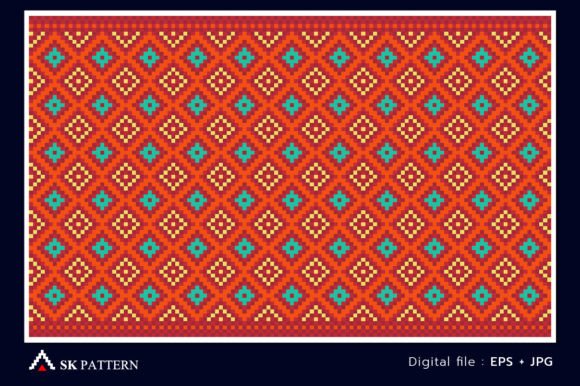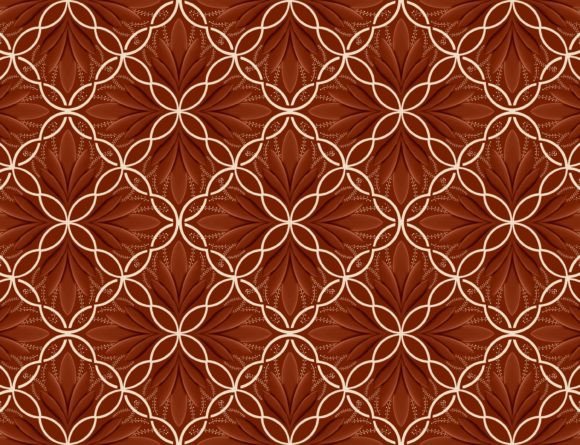
Ethnic Embroidery Floral Pattern Review for Craft Fairs
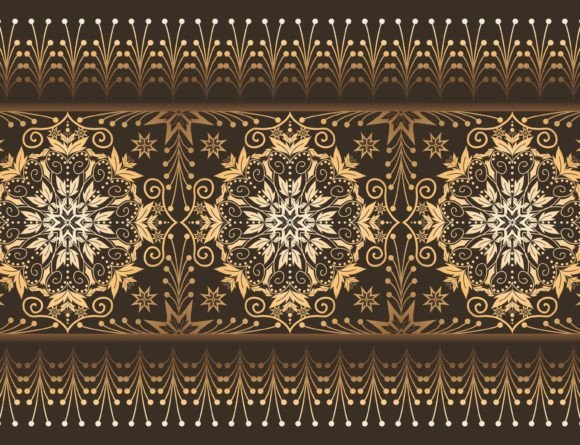
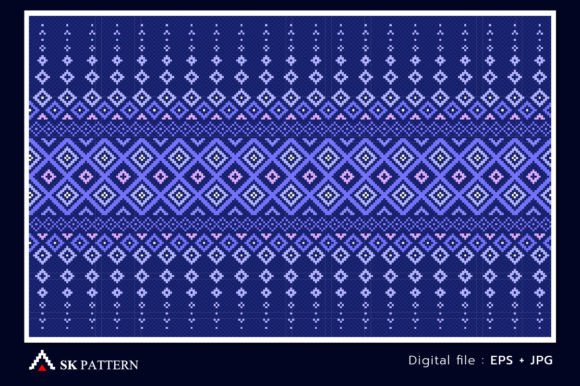
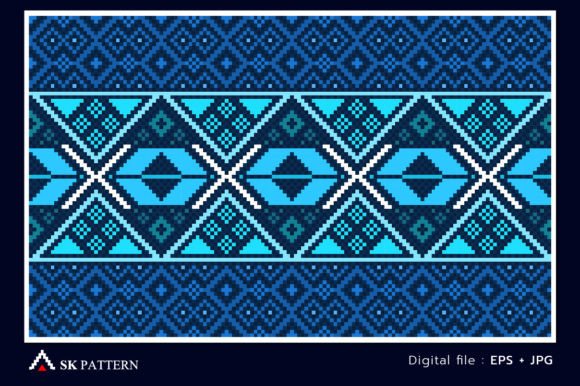
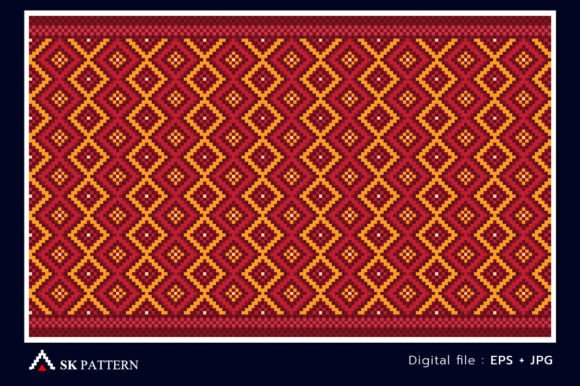
As an experienced embroidery designer who has spent countless weekends setting up booths at local craft fairs and handmade markets, I know that the difference between a design that sits on a table gathering dust and one that sells out in minutes often comes down to visual impact and production practicality. When I first laid eyes on the Ethnic Embroidery Floral Pattern, specifically described as an ethnic oriental floral pattern with red-gold color geometric shapes, my mind immediately began calculating its potential as a craft fair product. The description mentions a seamless pattern background suitable for fabric and home interior decoration, which suggests a rich texture and depth that could elevate a simple handmade product into something perceived as premium.
First Impressions: Bold, Festive, and Elegant
The moment you read the title and description of this design, the words "red-gold" and "geometric shape" jump out. In the world of machine embroidery design, color contrast is everything. Red and gold are classic, high-contrast colors that photograph beautifully and catch the eye from across a crowded market aisle. Unlike soft pastels or minimalist designs that might get lost against a busy booth backdrop, an Ethnic Embroidery Floral Pattern with these specific hues feels festive, elegant, and bold. It carries a rustic yet sophisticated vibe that appeals to customers looking for unique small shop products rather than mass-produced items. The mention of "oriental" and "ethnic" implies a cultural richness that adds a story to the piece, a crucial element for engaging buyers who want to support creative entrepreneurs with authentic aesthetics.
Product Potential: Where This Design Shines
When planning my display for a weekend market, I evaluate every embroidery file based on what it looks best on. For the Ethnic Embroidery Floral Pattern, I see immediate opportunities on several key categories. First, tote bags are a staple for any Etsy seller or market vendor. A large-scale application of this red-gold geometric floral on a canvas tote would look stunning. The seamless nature of the pattern allows for a full-surface print effect or a striking central motif that acts as a focal point. Customers love carrying bags that make a statement, and the vibrant colors ensure the bag stands out even when folded on a rack.
Next, consider apron embroidery and tea towel embroidery. Kitchen linens are perfect for showcasing detailed surface patterns. The geometric shapes within the floral design will hold up well on the textured weave of cotton towels, adding a touch of luxury to everyday items. If I were selling commercial embroidery goods, I would create a set of matching aprons and towels featuring this pattern. The red and gold tones evoke warmth and hospitality, making them ideal gift sets for holidays or housewarming parties. Additionally, pillow covers and market bags benefit immensely from this type of design. A pillow with a dense, colorful ethnic floral pattern can transform a plain living space, giving it a bohemian or eclectic flair that many modern homeowners seek.
For smaller, lower-priced impulse buys, this design works exceptionally well as an embroidered patch or on small pouches and caps. However, the size of the hoop matters here. While a cap might require a smaller version of the design, the intricate details need to be preserved. The Ethnic Embroidery Floral Pattern is versatile enough to be scaled down for a pocket patch or expanded for a large decorative panel on a tote, provided the stitch density remains consistent.
Practical Selling and Production Realities
From a production standpoint, the success of any finished product relies heavily on how easy the design is to understand at a glance. The description highlights a "geometric shape" combined with floral elements. This combination is excellent because geometric lines provide structure, while the flowers add organic softness. This balance ensures the design is not too chaotic, even if it is complex. When photographing these items for Etsy listings or creating printable mockups, the red-gold palette will pop against neutral backgrounds like white, cream, or denim blue. This makes marketing much easier, as the product images will naturally draw attention without needing heavy editing.
Batch production is another critical factor for a busy booth owner. Because the design is described as a "seamless pattern background," it is highly repeatable. You can embroider multiple identical sections quickly, or use the pattern to fill larger areas without worrying about awkward edges. This repeatability is essential for maintaining brand consistency and ensuring that every handmade gift or digital embroidery file customer receives meets your quality standards. The design feels substantial enough to justify a higher price point, moving it away from being seen as a cheap novelty item.
Crucial Considerations for Execution
However, not all design assets are created equal, and there are careful-use notes that must be followed to avoid disappointing results. The description mentions "dense stitch areas" and "tiny details." In the real world, tiny details can get lost if the thread count is too low or if the fabric is too thick. If you attempt to embroider this on a very thick denim or a heavily textured towel without proper preparation, the fine lines of the geometric shapes might disappear into the fabric weave. Similarly, working on curved surfaces like baseball caps requires a stable base; if the stitch density is too high, the fabric may pucker, ruining the crispness of the ethnic pattern.
Another potential pitfall is the choice of thread colors. While the digital preview shows red and gold, physical threads vary. Gold thread can sometimes appear dull or metallic depending on the lighting, and dark reds can look black on certain fabrics. It is vital to test the design on scrap fabric before committing to a batch. You must check the thread contrast to ensure the floral elements stand out against the background fabric. If the fabric is dark, a light-colored stabilizer or backing might be needed to prevent show-through, but this can affect the drape of the final product.
Designer Notes for Success
To ensure the Ethnic Embroidery Floral Pattern performs as well in person as it does on screen, follow these practical steps. Always review the hoop size requirements before starting. If the design is large, you may need to split it or use a multi-hoop setup, which increases production time. Inspect the stitch density closely; if the design is too dense for the chosen fabric, it will become stiff and difficult to sell as a wearable item. Use the right stabilizer—cut-away for stretchy fabrics like tees or knits, and tear-away for stable wovens like towels.
Create at least one real mockup of each product type you plan to sell. A tote bag design might look great digitally, but the weight of the bag and the tension of the stitches can change the overall look. Compare different fabric colors to see how the red-gold theme interacts with various bases. Finally, confirm your commercial licensing before selling finished products. Ensure you have the rights to use the digital embroidery file for commercial purposes, especially if you are selling through platforms like Etsy or at a physical market.
In conclusion, the Ethnic Embroidery Floral Pattern is a strong candidate for any craft fair product lineup. Its bold colors and intricate geometry offer a premium feel that resonates with buyers seeking unique, handmade items. By paying attention to fabric selection, stabilizer usage, and testing procedures, you can turn this graphic asset into a best-selling collection of embroidered patches, tea towels, and home decor that captures the attention of every passerby at your booth.