Yellow Flowers Embroidery Stitch Pattern Review
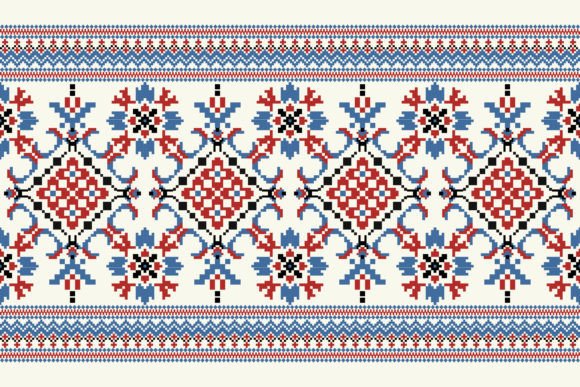
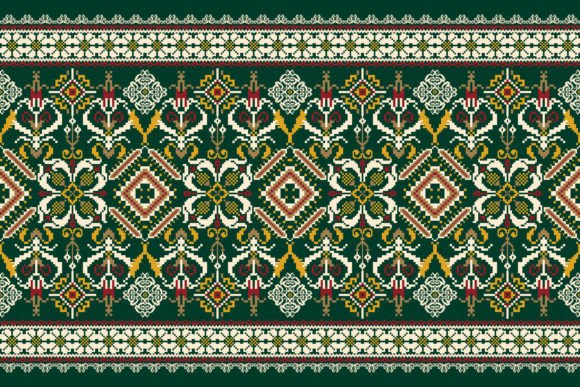
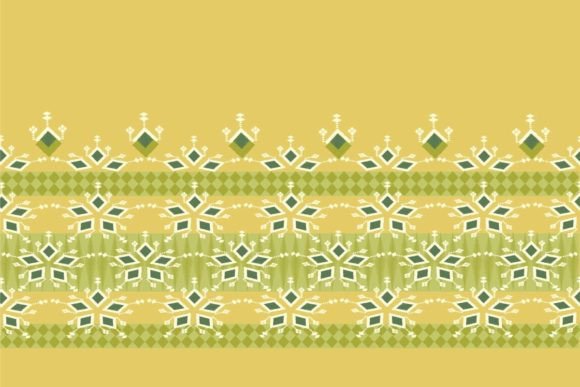
When I walk into a craft fair or set up my own booth, the first thing I look for is that spark. It is the moment a customer stops scrolling through their phone and actually looks at what we have on the table. As an experienced embroidery designer who has spent years turning digital files into physical treasures, I know that the difference between a design that sits in a folder and one that sells out by noon often comes down to the specific aesthetic and practical application of the file itself. Today, I am reviewing the Yellow Flowers Embroidery Stitch Pattern, a piece described as an ethnic Ikat tribal seamless pattern with triangle accents in green, blue, red, yellow, and indigo.
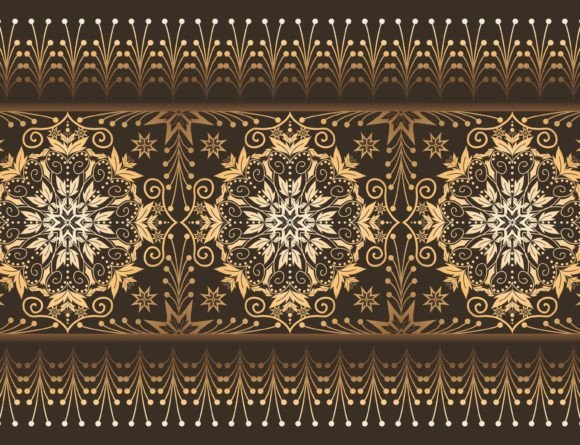
This design immediately caught my eye because it hits that sweet spot between rustic charm and modern bohemian flair. The description mentions "Restro, Vintage," and "Tribal Motif," which suggests a warmth that fits perfectly with the handmade market vibe. When I imagine this design embroidered onto a product, I do not see something sterile or overly corporate; I see something with soul. The earthtone color palette combined with the bold yellow flowers creates a visual rhythm that feels organic and inviting. For an Etsy seller or a boutique maker looking to create a cohesive collection, this embroidery file offers a unique texture that stands out against plain backgrounds.
Visual Impact and First Impressions
The first impression of the Yellow Flowers Embroidery Stitch Pattern is undeniably bold yet grounded. The inclusion of the Ikat style gives it a soft, slightly blurred edge that mimics hand-dyed fabrics, adding a layer of sophistication that flat prints often lack. In a sea of generic floral designs, the tribal triangle elements provide a geometric counterpoint that keeps the design from feeling too soft or childish. This balance is crucial for craft fair products where you want to appeal to a wide range of ages and styles.
I find myself thinking about how this design photographs. For an Etsy seller, high-quality images are everything. The combination of indigo, red, and yellow against a textured background will pop in photos, especially when paired with natural lighting. The round flower ornament acts as a perfect focal point, drawing the eye directly to the center of the item. Whether displayed on a white linen apron or a dark denim tote bag, the contrast ensures the design remains legible and attractive even from a distance.
Product Potential: Where This Design Shines
Let us talk about the real-world application of this design. If I were preparing a display for a weekend market, I would not limit myself to just one item type. The versatility of the Yellow Flowers Embroidery Stitch Pattern allows it to transform various handmade products into premium goods.
- Tote Bag Design: This is perhaps the strongest candidate. A large tote bag provides ample space for the seamless nature of the pattern. Customers love bags that serve as walking billboards for their favorite aesthetics. The vibrant colors will make the bag stand out on a crowded rack.
- Apron Embroidery: For the home cook or the artisan baker, an apron featuring this tribal motif adds a touch of personality to the kitchen. The vintage feel aligns perfectly with the farmhouse trend that dominates many craft fairs.
- Towel Embroidery: Tea towels and kitchen linens are impulse buy items. The small size of these products works well if the design can be scaled down without losing detail. The earthtone colors ensure it matches any kitchen decor.
- Embroidered Patch: The distinct shapes within the pattern make it ideal for creating iron-on patches. These are low-cost items that move quickly and can be sold individually or attached to hats and jackets.
- Pillow Covers and Market Bags: Home decor is a massive category. This design adds a textural element to throw pillows that woven patterns cannot achieve. Similarly, for market bags, the durability of the embroidery complements the utility of the item.
Production Realities and Technical Considerations
While the aesthetic is promising, every commercial embroidery project requires a reality check. Before committing to a full production run, there are several technical factors to consider regarding the Yellow Flowers Embroidery Stitch Pattern.
Stitch Density and Detail: The description mentions a "design for texture." In machine embroidery, texture often implies a higher stitch density. You must ensure your machine can handle the density without causing puckering, especially on thinner fabrics like cotton tea towels. If the design includes tiny details in the tribal triangles, test them on scrap fabric first. Sometimes, what looks good on a screen loses clarity when stitched at a smaller scale.
Fabric Texture and Color: The success of this design relies heavily on the base fabric. The earthtone colors of the pattern will interact differently with light-colored versus dark fabrics. On dark fabric, the yellow flowers might need underlay stitches to prevent them from sinking into the weave. Conversely, on textured towels, the raised embroidery might get lost in the loops of the terry cloth. Always compare fabric colors to ensure the thread colors maintain their vibrancy.
Hoop Size and Stabilizer: Since this is a seamless pattern, you may need a larger hoop to capture the full design or to repeat it effectively. Confirming the hoop size requirements is essential before starting. Furthermore, using the right stabilizer is non-negotiable. For curved surfaces like caps, you will need a rigid stabilizer to maintain the shape, whereas a tear-away might suffice for flat items like tote bags.
Selling Strategy and Brand Consistency
From a business perspective, the Yellow Flowers Embroidery Stitch Pattern offers excellent potential for building a brand identity. The consistent use of earthtones and tribal motifs creates a recognizable style that customers can associate with your shop. When buyers see your booth, they should instantly recognize your aesthetic. This design helps establish that visual consistency.
For digital sellers offering this as a digital embroidery file, providing printable mockups is vital. Show the design on different products so customers can visualize the final result. If you are selling finished goods, focus on the story behind the "Vintage" and "Retro" aspects. People buy handmade items because of the narrative and the human touch. Highlighting the intricate details of the Ikat style can justify a higher price point for your small shop product.
However, remember that not every design works for every surface. Avoid placing dense stitch areas on very small items where the detail might become muddy. Also, be cautious with lettering if you plan to add text later; the busy nature of the pattern might clash with complex fonts. Stick to simple, clean typography to let the floral ornament take center stage.
Final Thoughts for the Maker
Before you rush to order 50 yards of fabric, take a moment to review the technical specifications of the file. Check the exact stitch count, file format compatibility, and licensing terms. If the license does not explicitly allow for commercial resale of finished products, you will need to seek permission or purchase a commercial license. Do not assume; verify the design assets rights.
Create at least one real mockup. Nothing beats holding a finished sample in your hands to judge the quality. Does the thread contrast work? Is the spacing correct? Once you have validated the production process, you can confidently roll out your booth display. The Yellow Flowers Embroidery Stitch Pattern has the potential to be a standout piece in your collection, bridging the gap between traditional craftsmanship and contemporary style. With careful execution and attention to detail, this design could become a bestseller at your next craft fair, proving that the right machine embroidery design can truly elevate a handmade business.