Floral Cross Stitch Embroidery Tradition Review
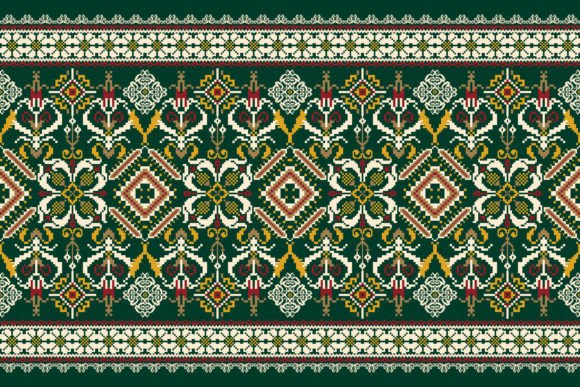
As a designer who has spent years stitching, digitizing, and reviewing embroidery files for both personal passion projects and commercial clients, I know that the difference between a good design and a great finished product often comes down to one thing: context. When I first laid eyes on Floral Cross Stitch Embroidery Tradition, my immediate reaction wasn't just about the aesthetic; it was about where this pattern would actually live in the real world. It is categorized under Patterns and Graphics as an Aztec style abstract vector illustration, but when you look at the description of a floral cross stitch with geometric ethnic oriental patterns, you start to see its potential.
This isn't just a pretty image; it is a structural blueprint for texture. The design promises a blend of traditional motifs with a modern, abstract edge. For anyone looking to create handmade products, custom apparel, or boutique items, understanding how Floral Cross Stitch Embroidery Tradition translates from a digital file to physical thread is crucial. Let's dive into how this design performs when we take it out of the screen and put it under the needle.
The First Impression: Mood and Visual Personality
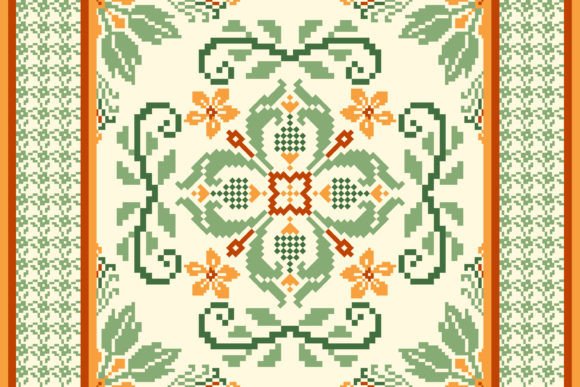
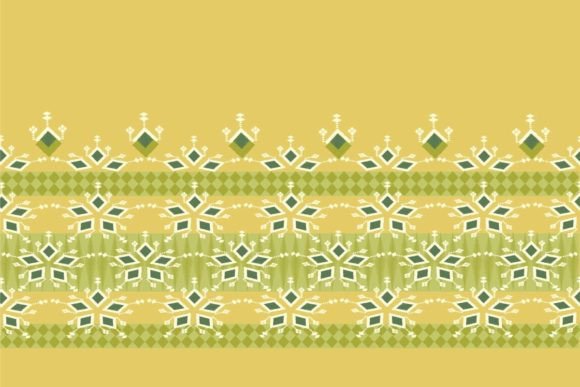
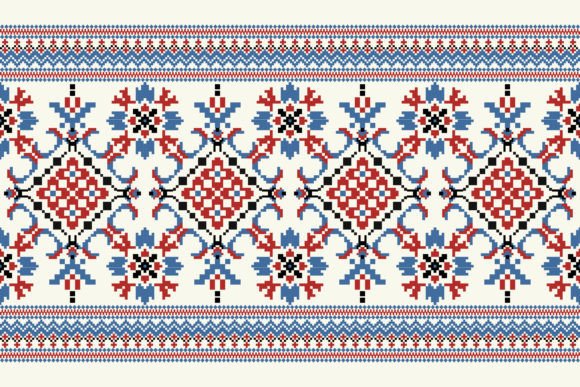
When I opened the preview of Floral Cross Stitch Embroidery Tradition, the mood felt grounded yet vibrant. The combination of floral elements with geometric, ethnic, and oriental patterns creates a visual rhythm that is hard to ignore. Unlike some generic floral designs that can feel soft and indistinct, this one has a backbone. The Aztec-inspired abstraction adds a layer of sophistication that elevates it above standard craft store offerings.
The layout suggests a design that wants to be seen. It doesn't hide in the corners; it commands attention while maintaining a sense of balance. For a designer, this is gold. It means the design can serve as a focal point on a tote bag or a subtle, elegant accent on a kitchen towel without overwhelming the garment. The "traditional" aspect of the name is well-earned here; it feels timeless, which is exactly what buyers are looking for when they want a piece of art that won't look dated in five years.
A Real-Life Scenario: The Custom Boutique Tote
To truly evaluate Floral Cross Stitch Embroidery Tradition, I imagined using it for a specific project: a limited-run collection of canvas tote bags for a local artisan market. The goal was to create a product that felt handcrafted but had the polish of a high-end brand. This design is perfect for that application.
Imagine a sturdy, natural-colored canvas tote. Placing the Floral Cross Stitch Embroidery Tradition design in the center, stitched in a deep terracotta or navy blue thread against the off-white background, would create a striking contrast. The geometric nature of the pattern holds up well on flat surfaces like canvas, allowing the stitches to lay cleanly without the distortion that sometimes happens on stretchy fabrics.
For a small business owner or an Etsy seller, this is a winning move. Customers don't just buy a bag; they buy the story behind the design. The "ethnic oriental" vibe gives the product a unique identity, setting it apart from mass-produced merchandise. If I were selling these at a craft fair, I'd pair them with matching fabric napkins or aprons, creating a cohesive "home and hearth" set. The versatility of the design allows it to transition seamlessly from a fashion accessory to home decor.
Performance Across Different Materials and Projects
The true test of any machine embroidery design is how it handles different fabrics and garment types. Floral Cross Stitch Embroidery Tradition is robust enough to handle a variety of applications, but it requires strategic placement.
- Sweatshirts and Hoodies: The dense, geometric fill of the pattern works beautifully on fleece or heavy cotton blends. However, because the design features intricate details, I would recommend placing it on the chest rather than the back if the sweatshirt has a large hood seam nearby. The curve of the shoulder might distort the smaller geometric elements.
- Baby Items: Soft baby clothes require delicate handling. While the floral theme is gentle, the "Aztec style" geometry adds a boldness that makes it ideal for unisex nursery decor or baby blankets. Just ensure the stitch density isn't too stiff for a newborn's skin; a light stabilizer is essential here.
- Kitchen Towels and Aprons: This is where the design shines. The "wrapping" and "decoration" aspects mentioned in the description make it perfect for tea towels. The pattern mimics the texture of woven fabric, adding depth to a simple linen towel. It also looks professional on chef's aprons, giving a boutique feel to a utilitarian item.
- Patches and Caps: Creating an embroidered patch with this design is a smart move for branding. The defined edges of the geometric shapes translate well to patch backing. However, applying it directly to a curved cap surface requires careful hooping to avoid puckering the fabric around the curves.
Where to Proceed with Caution
Even the best designs have their limitations. As an experienced reviewer, I need to warn you about where Floral Cross Stitch Embroidery Tradition might struggle. First, consider the hoop size. If the design includes very fine lines within the geometric sections, attempting to stitch it in a tiny hoop (like 4x4 inches) could result in lost detail. The "cross stitch" effect relies on clear separation between stitches; cramming it into a small space blurs that distinction.
Textured fabrics are another pitfall. If you try to stitch this on a heavily textured bouclé or a thick, uneven wool, the needle may skip, and the design will lose its crispness. Similarly, thin or stretchy fabrics like jersey or silk require a strong stabilizer and potentially a tear-away backing to prevent the design from distorting as the fabric moves during stitching.
Dark fabrics present a challenge regarding contrast. The product description notes a white background, which implies the design is optimized for lighter materials. If you plan to use this on dark fabric, you must ensure your thread colors are vibrant enough to pop. A light gray thread on black fabric might get lost entirely, ruining the visual appeal of the "floral cross stitch" element.
Practical Designer Notes for Success
Before you hit the "start" button on your machine, there are several technical steps to ensure your finished product meets professional standards. Always test the design on scrap fabric first. This allows you to check the thread color contrast and confirm that the stitch density is appropriate for the material you are using. High-density areas in the geometric pattern can cause the fabric to pucker if not supported correctly.
Investigate the file format compatibility. Whether you are using a domestic machine or a commercial multi-head setup, ensure the embroidery file matches your software requirements. Don't assume the design will work perfectly without checking the stitch count and recommended hoop size provided by the creator. If those details aren't listed, contact the seller or run a quick simulation in your digitizing software.
Also, think about the commercial licensing. If you are planning to sell finished items featuring Floral Cross Stitch Embroidery Tradition on Etsy or at craft fairs, verify that your license allows for commercial use. Some designs are for personal use only. Confirming this protects your craft business from legal issues down the road.
Final Verdict: Value and Visual Appeal
In the world of digital design assets, finding a pattern that balances tradition with modern abstraction is rare. Floral Cross Stitch Embroidery Tradition delivers on that promise. It offers a level of visual interest that elevates a simple product into something special. For the Etsy seller or small shop owner, this design provides a competitive edge. It speaks to customers who value craftsmanship and unique aesthetics.
The design enhances the perceived value of the finished product. A tote bag with this embroidery feels more expensive than one with a generic print. It builds customer trust because the precision of the stitches signals quality. Whether you are making personalized gifts, holiday decorations, or boutique branding materials, this pattern is a reliable choice.
Ultimately, Floral Cross Stitch Embroidery Tradition is more than just a graphic; it is a tool for creative entrepreneurs. By respecting its strengths and avoiding its weak points, you can create stunning embroidery projects that stand out in a crowded marketplace. It is a design that respects the past while embracing the future of handmade goods.