Bee Applique Review for Small Business Merch
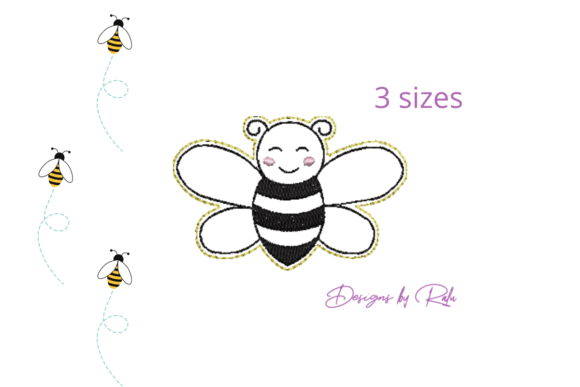
As an experienced embroidery designer, I spend my days evaluating digital assets to ensure they translate perfectly from a screen to a physical product. When I first encountered the Bee Applique design, my immediate reaction was one of curiosity regarding its versatility. The description promises that this cute applicate will decorate clothes and interior items, but for a small business owner, the real question is whether it can stand up to the rigors of commercial production. This review focuses on how this design performs as a functional asset for branded patches, staff uniforms, and high-volume merchandise.
First Impressions: Personality and Brand Fit
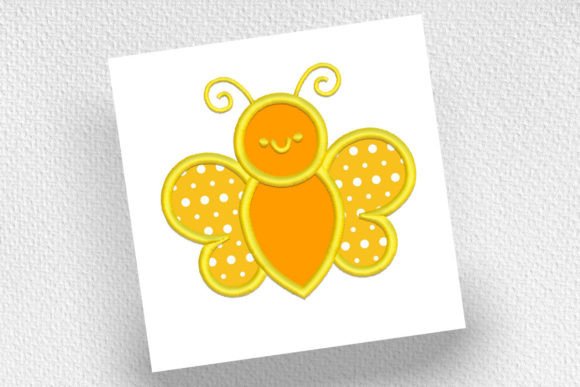
The name Bee Applique immediately suggests a playful yet industrious personality. In the world of brand identity, this design feels friendly, approachable, and organic. It leans towards a handmade aesthetic rather than a sleek, corporate modern look. For a bakery, a florist shop, or a creative studio, this visual tone is perfect. It signals warmth and craftsmanship, which are essential traits for building customer trust in the handmade market.
However, if you run a boutique selling premium leather goods or a tech startup, this design might feel too rustic. The "cute" factor works best when your brand values community and artisanal quality over strict minimalism. The description mentions the right selection of materials ensures good quality, which hints that this design relies heavily on thread choice and fabric texture to achieve its final look. It is not just a logo; it is a tactile element that adds depth to any garment.
Real-World Application for Small Business Merch
When I imagine placing the Bee Applique on actual products, I see a versatile tool for various branding strategies. Here is how this machine embroidery design could function in a real-world scenario for different types of businesses:
- Staff Uniforms and Aprons: A bakery or coffee shop could use this as a chest logo accent. The applique style adds a professional finish that looks more expensive than standard flat stitching. It creates a cohesive look for baristas and bakers, reinforcing team identity without being overly aggressive.
- Caps and Hats: For cap embroidery, this design offers a charming focal point. Whether placed on the front panel or the side, the bee motif draws the eye. It works particularly well for outdoor events or farmers markets where a friendly, nature-inspired image resonates with customers.
- Tote Bag Design: As a tote bag mark, the Bee Applique serves as both decoration and utility. It can be placed on the corner of a canvas bag used for carrying groceries or art supplies. This turns a simple accessory into a walking advertisement for your brand.
- Embroidered Patches: One of the most exciting uses is creating custom embroidered patches. You can sell these as standalone accessories or attach them to denim jackets and backpacks. This is a high-margin item for Etsy sellers looking to expand their product line beyond clothing.
- Product Packaging Accents: Interior items mentioned in the description open up possibilities for packaging. Imagine this design stitched onto the lid of a gift box or a reusable shopping bag included with every order. It elevates the unboxing experience and makes the finished product feel like a premium gift.
Where to Exercise Caution
While the design has potential, there are specific scenarios where the Bee Applique requires careful planning. Embroidery is a technical craft, and ignoring these details can lead to costly production errors.
- Small Patch Sizes: If you intend to make very small patches, you must check the stitch density. Intricate details often get lost when scaled down below a certain threshold. Ensure the design remains legible before committing to a bulk order.
- Curved Surfaces: Cap fronts are curved, which can distort straight lines and circular elements. Test the design on a curved surface mockup to ensure the bee shape does not look stretched or uneven.
- Dark Uniforms: The description notes the importance of material selection. On dark fabrics, you may need a heavy underlay or specific thread colors to prevent the background from showing through. Always test contrast before running a full batch.
- Frequent Washing: For apron embroidery or work shirts that undergo industrial washing, the applique must be securely anchored. Loose edges can fray over time. Verify that the stabilizer and backing are robust enough for daily wear and tear.
Impact on Brand Identity and Customer Trust
In the competitive landscape of small business merch, visual consistency is key. Using a cohesive design asset like the Bee Applique helps unify your brand across different touchpoints. When a customer sees the same bee motif on a hat, a tote bag, and a product label, it reinforces recognition. This repetition builds professionalism and signals that the business pays attention to detail.
Furthermore, the handmade presentation of an applique design adds perceived value. Customers are often willing to pay more for items that look crafted by hand rather than mass-produced. The texture of the thread and the dimensionality of the applique create a sensory connection that flat prints cannot match. This engagement fosters loyalty and encourages repeat purchases.
Practical Designer Notes for Production
Before you upload this file to your production queue, follow these essential steps to ensure success:
- Test in Black and White: Convert your design to grayscale first. This helps you visualize the contrast between the stitches and the fabric without the distraction of color.
- Review Thread Colors: Choose thread colors that complement your brand palette. High-quality threads will make the difference between a cheap-looking patch and a premium accessory.
- Inspect Spacing: Check the spacing within the design. Tight spacing can cause puckering, especially on lightweight fabrics. Adequate spacing ensures a clean, crisp finish.
- Confirm Hoop Size: Ensure your hoop size matches the design dimensions. If the design is too large for your machine's hoop, you may need to split the file or adjust the layout.
- Test on Real Fabric: Never guess. Stitch the design on the exact fabric you plan to use for your final product. Fabric texture changes how the needle penetrates the material and how the thread sits on top.
- Create a Mockup: Use a printable mockup to show clients what the final result will look like. This prevents misunderstandings and speeds up the approval process.
- Check Commercial Licensing: Before using this digital embroidery file for commercial projects, confirm that you have the proper license. Some designs are restricted to personal use only.
The Bee Applique is more than just a decorative element; it is a strategic asset for small business owners. By understanding its strengths and limitations, you can leverage this design to create memorable branded merchandise that stands out. Whether you are designing for a local café or an online craft store, this design offers a blend of charm and professionalism that appeals to modern consumers. Remember, the quality of your finished product depends on the preparation you put in before the needle ever touches the fabric.
For those interested in expanding their design assets, exploring the Bugs category can yield similar opportunities for unique branding. However, always prioritize the technical requirements of the embroidery file to ensure your brand identity remains intact. With the right approach, the Bee Applique can become a signature element of your small business merch line.