Bee Feltie, Cute Bee Embroidery: A Seller's Review
As an experienced embroidery designer who has spent countless weekends setting up booths at local craft fairs and managing a busy online shop, I know that the difference between a design that sits on a shelf and one that sells out in minutes often comes down to practical application. When I first looked at Bee Feltie, Cute Bee Embroidery, my immediate reaction was one of excitement for its versatility. This is not just a digital file; it is a potential best-seller for handmade product lines.
The title suggests a playful, approachable aesthetic. The description highlights its suitability for machines with small hoop sizes, which is a critical detail for any entrepreneur looking to maximize their production capabilities without investing in expensive large-frame equipment. In the world of machine embroidery design, accessibility is key. If a design can be stitched easily on standard hoops, it opens the door to a wider range of products, from tiny hair clips to larger tote bags.
First Impressions: Visual Appeal and Market Fit
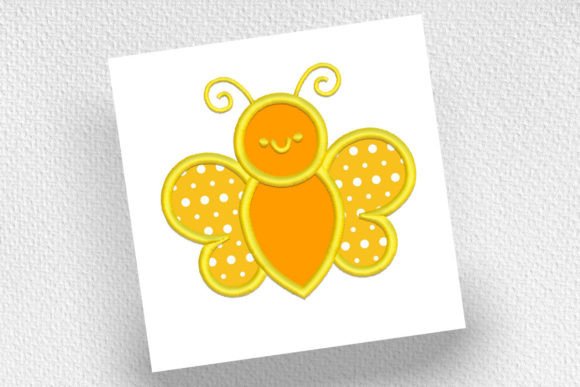
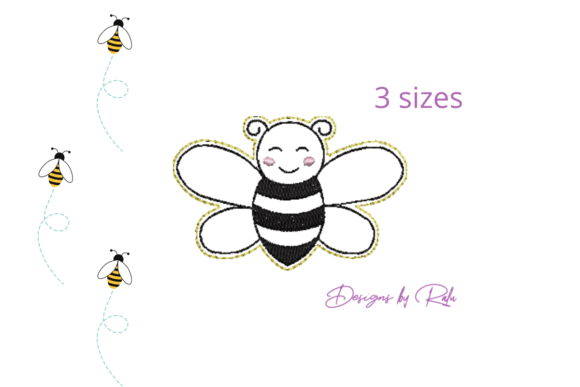
When evaluating Bee Feltie, Cute Bee Embroidery for a weekend craft fair booth, the first thing I consider is how it will look under bright overhead lights. The concept of a "filled cute Bee feltie" implies a design with solid coverage rather than sparse outlines. This is excellent for creating a finished product that feels premium and substantial. Customers at handmade markets want to see quality, and a filled design offers a tactile richness that draws the eye immediately.
The mood here is undeniably cheerful and whimsical. It fits perfectly into the current trends for farmhouse decor, modern rustic styles, and cute accessories. Whether you are targeting Etsy sellers or boutique makers, this design bridges the gap between a simple accent and a statement piece. It feels soft yet bold enough to stand out against various fabric textures. For a seller specializing in Bugs themed items or seasonal spring collections, this design is a natural fit that promises high engagement.
Product Potential: Where This Design Shines
In my experience preparing a table display, certain designs elevate specific items better than others. Here is how Bee Feltie, Cute Bee Embroidery performs across a variety of popular handmade products:
- Tote Bag Design: Placing this bee on a canvas tote bag creates an instant conversation starter. Because the design works well in small hoops, it can be positioned perfectly on the front pocket or centered as a focal point without requiring complex repositioning.
- Apron Embroidery: For kitchen enthusiasts, stitching this onto a linen apron adds a touch of personality. The filled nature of the design ensures it remains visible even when the apron is worn and slightly wrinkled during use.
- Tea Towel Embroidery: A tea towel featuring this bee is a classic gift item. The design's compact size allows it to sit neatly in the corner or center of a flour sack towel, making it an affordable yet thoughtful handmade product.
- Embroidered Patch: One of the most profitable uses for this design is creating iron-on patches. You can stitch the bee onto felt or sturdy cotton, back it with adhesive, and sell them individually or attach them to denim jackets and backpacks.
- Small Pouches and Hair Clips: The mention of hair clips in the description is a huge selling point. Small pouches and barrettes are high-margin items that require minimal fabric but offer maximum visual impact. This design is ideal for these micro-accessories.
- Caps and Pillow Covers: On curved cap surfaces, a smaller, filled design like this tends to lay flat and look professional. Similarly, on pillow covers, it adds a cozy, decorative element that appeals to buyers looking for home accents.
Production Practicality and Selling Strategy
For the craft fair seller or digital embroidery file creator, efficiency is everything. Bee Feltie, Cute Bee Embroidery scores high on repeatability. Its clear structure makes it easy to batch produce, which is essential when you need to fulfill multiple orders quickly. Photographing this design for Etsy listings or printable mockups should be straightforward because the filled stitches create a distinct shape that pops against both light and dark backgrounds.
However, a professional review must address the nuances of production. While the design is described as great for small hoop sizes, you must verify the exact dimensions before committing to mass production. If the design is too dense, it might pucker delicate fabrics. If it is too small, fine details could get lost. When planning your booth display, consider using this design on a mix of textures—smooth cotton, rough burlap, and soft fleece—to show customers how versatile the embroidery file truly is.
The visual appeal directly impacts customer attention. A cute, filled bee design triggers an emotional response that encourages impulse buys. It feels personal and handcrafted, which justifies a higher price point compared to machine-printed alternatives. For commercial embroidery businesses, this design can serve as a signature element for a brand focused on nature or garden themes.
Crucial Designer Notes for Success
To ensure that Bee Feltie, Cute Bee Embroidery translates perfectly from screen to fabric, there are several technical steps every maker must take. First, always test the design on scrap fabric that matches the weight and texture of your final product. This helps you gauge the stitch density and determine if the design needs adjustment for stability.
Check thread contrast carefully. A bee design relies on color differentiation to define its wings and body. Using the wrong thread colors can result in a muddy appearance that loses the "cute" factor. Ensure you have a good selection of yellow, black, and perhaps white or metallic threads to bring the character to life.
Pay close attention to the stabilizer. Since this design likely involves filling stitches, using the correct stabilizer is non-negotiable to prevent puckering. For items like caps or towels, you may need a tear-away or cut-away backing depending on the fabric's stretch. Confirm the hoop size requirements by checking the file specifications provided by the designer. If the file is intended for a 4x4 inch hoop, do not attempt to stitch it on a smaller frame without resizing, as this can distort the geometry.
Create at least one real mockup before listing the item for sale. Digital renderings are helpful, but nothing sells a product like a photograph of the actual finished item. Inspect the stitch density closely; if areas look too crowded, the design might feel stiff to the touch. Compare different fabric colors to see which background makes the bee pop the most. Finally, confirm the commercial licensing terms. If you plan to sell finished goods made with this design, ensure you have the right permissions to avoid legal issues.
Final Thoughts for the Creative Entrepreneur
Bee Feltie, Cute Bee Embroidery represents a smart investment for any creative entrepreneur looking to expand their inventory. It balances charm with practicality, making it suitable for everything from a single gift item to a full line of market-ready goods. By understanding its strengths and respecting the technical requirements of embroidery, you can turn this simple bee design into a standout product that customers love.
Whether you are a seasoned Etsy seller or a beginner crafter, this design offers a low-risk, high-reward opportunity. Focus on presenting it on high-quality bases, pay attention to the finishing details, and let the cuteness of the bee do the selling. With the right execution, this design will not only fill your booth but also build a loyal following for your brand.