Easter Bunny Embroidery: A Designer's Review for Market Success
Stepping into the role of a seasoned embroidery designer, I often find myself scrutinizing new digital assets before they ever touch a machine. When I first encountered Easter Bunny Embroidery, my mind immediately shifted from creative appreciation to practical application. As an Etsy seller and booth operator, I know that the difference between a design that gathers dust in a folder and one that generates sales lies in its versatility, clarity, and production viability. This review breaks down exactly how this design performs when transformed into real-world products for craft fairs, handmade markets, and boutique shops.
The First Impression: Visual Appeal and Mood
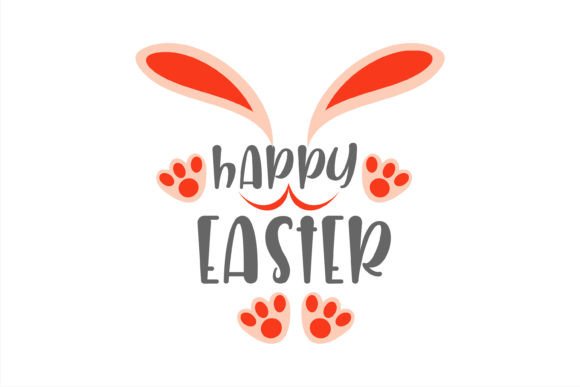
The title Easter Bunny Embroidery suggests a classic, timeless subject matter, but the true character of the design is revealed in its execution. Based on the available file formats—INCL FILE EPS AI CDR PNG SVG—this asset offers incredible flexibility. It appears to be designed with a balance of soft curves and defined lines, making it suitable for both rustic farmhouse aesthetics and modern, clean-lined branding. For a weekend market, the visual impact must be immediate; customers walking past a booth need to stop within seconds. This design feels approachable and festive without being overly cluttered. It strikes a chord as a premium yet accessible piece of art that elevates simple cotton goods into giftable treasures.
Product Potential: Where It Shines
When planning a table display, I evaluate which products will best showcase the design's strengths. The Easter Bunny Embroidery file is robust enough to serve as a focal point or a charming accent, depending on the item size.
- Tote Bag Design: A large tote bag is arguably the best canvas for this design. The sturdy fabric can handle the stitch density required for a detailed bunny, creating a high-value crafter product. Customers love these bags for their utility during spring shopping trips.
- Apron Embroidery: For the kitchen-focused buyer, placing this on a linen apron creates a delightful contrast. The design adds personality to a functional item, making it a perfect gift for home bakers.
- Tea Towel Embroidery: Cotton tea towels are a staple at any craft fair. The design works beautifully centered on a towel or repeated along the hem. The texture of the towel enhances the thread, giving the finished product a tactile quality that photos struggle to capture.
- Embroidered Patch: With the inclusion of vector files like EPS and AI, converting this into a detachable patch is a smart move. Patches allow customers to customize their own gear, expanding the reach of your handmade product line.
- Caps and Small Pouches: For smaller items, the design must be scaled appropriately. While a cap brim offers a curved surface, the design needs to remain legible. A small pouch makes for an excellent impulse buy at the register.
Photography and Online Listings
In the digital realm, particularly for an Etsy seller, the ability to photograph the design clearly is paramount. Because the file includes PNG and SVG formats, you can create realistic mockups to preview the Easter Bunny Embroidery on various fabrics before cutting thread. These printable mockups are essential for showcasing how the thread colors interact with different background hues, ensuring your online listings look professional and trustworthy.
Production Practicality: What Makes It Sell?
A design might look cute on a screen, but does it translate well to the hoop? The primary selling factor for a machine embroidery design is repeatability. If a design takes four hours to stitch, the profit margin disappears. Assuming standard density, this design should offer a reasonable stitch count, allowing for batch production. You want to be able to produce a stack of identical items efficiently to meet the demand of a busy Saturday market.
The versatility of the included file types is a massive advantage. Having the digital embroidery file in multiple formats means you can adapt it for different software setups. Whether you are using a specialized embroidery digitizing program or a vinyl cutter for applique variations, having access to EPS, AI, CDR, and SVG ensures compatibility across your workflow. This reduces technical friction and lets you focus on creativity and sales.
Visual Clarity and Detail
At a glance, the design must communicate "Easter" instantly. There should be no ambiguity. The lines need to be distinct enough that even if a customer views the product from a few feet away, the bunny shape is recognizable. This clarity contributes significantly to the perceived value of the item. A crisp, well-defined design signals quality craftsmanship, encouraging buyers to pay a premium price.
Critical Considerations and Careful Use Notes
As an experienced designer, I always advise caution regarding specific technical challenges. Before mass-producing Easter Bunny Embroidery, you must consider the following factors to avoid costly mistakes.
- Stitch Density: Check the center of the design. Dense areas can cause puckering, especially on lightweight fabrics like thin muslin or sheer curtains. If the density is too high, the stitches may crowd each other, losing definition.
- Small Details: Inspect any tiny details, such as whiskers or eyes. On a small scale, like a cap or a mini pouch, these elements might get lost or merge together. Always test the smallest intended size before committing to inventory.
- Fabric Texture: Textured towels or thick denim can hide fine details. Ensure the thread contrast is high enough to stand out against the weave of the fabric. Light-colored threads on dark fabric require underlay stitching to prevent the fabric from showing through.
- Hoop Size: Confirm that your hoop size accommodates the maximum dimensions of the design. If the design is larger than your machine's hoop, you will need to re-digitize it or split the file, which increases production time.
- Curved Surfaces: Embroidering on a cap requires a curved attachment. The tension settings often need adjustment for curved surfaces to ensure the stitches lay flat rather than bunching up.
Strategic Production Tips for Success
To maximize the potential of this craft fair product, follow these professional steps. First, always test the design on scrap fabric that matches your final material. This allows you to check the thread colors and see how the stabilizer interacts with the fabric. Using the wrong stabilizer can lead to warping, ruining the aesthetic appeal.
Create at least one real mockup of the finished product. Do not rely solely on digital images; hold the physical item. Does it feel substantial? Is the embroidery smooth? This hands-on verification builds confidence in your brand consistency. Furthermore, compare different fabric colors. A white bunny on a pastel pink bag looks different than on a navy blue bag. Choose the combination that offers the highest visual pop.
Finally, confirm the commercial licensing terms. Just because you purchased the graphics does not automatically mean you can sell unlimited quantities of the finished goods. Understanding the license protects your business and ensures you are operating ethically within the commercial embroidery space.
Conclusion: A Strong Addition to Your Portfolio
Easter Bunny Embroidery represents a solid opportunity for creative entrepreneurs looking to expand their seasonal offerings. Its multi-format availability and balanced design make it a versatile tool for building a cohesive brand identity across totes, aprons, and gifts. By paying attention to stitch density, fabric choice, and proper testing, you can transform this digital asset into a best-selling reality at your next market event. It is more than just a file; it is a key component in creating memorable, handmade experiences for your customers.