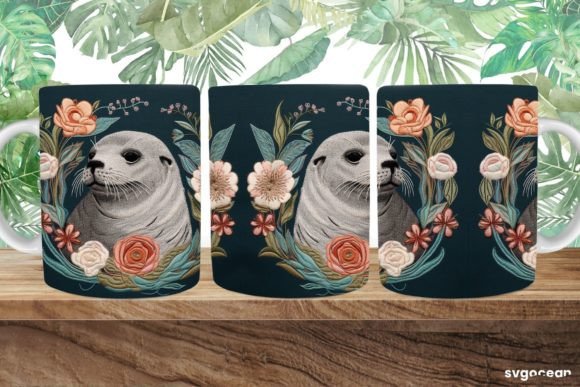
Embroidery Seal Mug Sublimation Review
I have spent years designing for the handmade market, and I know that a single design can make or break a booth display. When I first laid eyes on Embroidery Seal Mug Sublimation, my mind immediately went to the upcoming weekend craft fair. I am not just looking at a digital file; I am visualizing how it will look stitched onto fabric, how it will catch the light under our booth lights, and most importantly, whether it will stop a passerby in their tracks. As an experienced designer, I approach every new asset with a critical eye, asking if it fits the narrative of a premium handmade brand.
First Impressions: A Bold Statement for the Kitchen
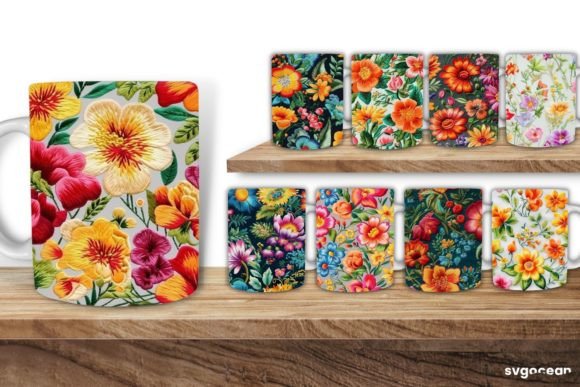
The title alone suggests a fusion of classic craftsmanship and modern utility. Embroidery Seal Mug Sublimation feels like a design that balances rustic charm with a touch of playful sophistication. While the description highlights it as a sublimation graphic, for us embroidery designers, the real question is: does this translate well to thread? The dimensions provided—2925 x 1425 px at 300 DPI—indicate a high-resolution source that should render beautifully when digitized or printed for transfer. It feels bold enough to be a focal point but clean enough to serve as a decorative accent.
In a sea of generic "coffee lover" quotes, this design stands out because of its specific imagery. It promises a tactile quality that digital prints often lack. For a crafter setting up a table with aprons, tea towels, and tote bags, this design offers a cohesive theme. It speaks to the home baker, the morning ritual enthusiast, and the gift buyer looking for something that feels curated rather than mass-produced.
Where This Design Shines on Finished Products
Imagine walking into a booth filled with handmade products. The top shelf holds embroidered patches and caps, while the main table displays kitchen linens and tote bags. Where would Embroidery Seal Mug Sublimation fit best? My assessment is that it performs exceptionally well on items where the customer spends time holding the object.
- Tote Bag Design: Placing this design on a canvas tote bag creates an instant statement piece. The size allows it to cover a significant portion of the front panel without overwhelming the bag's structure. It is perfect for the Etsy seller who wants to offer a functional accessory that doubles as a fashion statement.
- Apron Embroidery: There is nothing more charming than a chef-style apron featuring a custom seal. On a heavy cotton apron, this design adds a layer of professionalism and whimsy. It transforms a utilitarian garment into a unique craft fair product.
- Tea Towel Embroidery: Kitchen towels are high-volume sellers. This design works wonderfully centered on a towel or repeated in a pattern along the hem. The contrast between the fabric texture and the smooth finish of the design (or the stitch density) creates visual interest.
- Embroidered Patch: If you plan to cut this out as an appliqué or create a dedicated patch, the resolution ensures that even small details remain crisp. It is ideal for adding a branded touch to beanies, denim jackets, or market bags.
- Pillow Covers and Pouches: For smaller items like zippered pouches or throw pillows, this design acts as a sophisticated logo. It elevates the perceived value of the item, making it feel like a boutique creation rather than a DIY project.
Practical Selling and Production Considerations
When preparing for a busy market day, efficiency is key. Does Embroidery Seal Mug Sublimation lend itself to batch production? Yes. The design appears to have a clear central focus, which makes hooping and stitching predictable. However, before rushing into a full production run, we must consider the practicalities of the medium.
For online listings, the high DPI of the source file means your printable mockup images will be sharp. Customers browsing on mobile devices need to see the detail clearly to trust the quality. A blurry image kills sales; a crisp one invites clicks. This design provides the clarity needed to showcase the finished product effectively.
Furthermore, the design's versatility allows for multiple price points. You can sell a simple mug design on a standard t-shirt, or upscale it by combining it with other elements on a larger pillow cover. This flexibility is crucial for any small shop product line aiming to maximize revenue per square inch of inventory.
Careful-Use Notes: What to Watch Out For
As a designer, I always advise caution when transitioning from a digital concept to a physical reality. While the file specifications are excellent, there are inherent challenges with certain applications.
If you intend to use this on dark fabric, you will need to ensure you have a strong underbase strategy. Without proper stabilizer and underlay stitches, the colors may bleed or appear muddy. Similarly, if you are working with textured towels or thick fabrics like denim, the design might lose some of its fine definition. Always test on scrap material first to gauge how the threads interact with the weave.
Pay close attention to stitch density. If the original design contains dense areas of text or intricate lines within the seal, these can become problematic on curved surfaces like caps. A tight curve can distort the lettering or cause puckering. Ensure that the hoop size you select accommodates the entire design without cutting off edges, and verify that the thread colors chosen provide sufficient contrast against your base fabric.
Another critical factor is the scale. While the file is large, shrinking it down too much for a tiny pouch or a small button could result in lost details. Conversely, scaling it up too large for a standard mug might look disproportionate. Finding the sweet spot is essential for maintaining the design assets' integrity.
Designer's Checklist for Success
To ensure that Embroidery Seal Mug Sublimation translates into a best-seller, I recommend following this workflow before hitting the road to your next market:
- Test on Scrap Fabric: Never assume. Stitch the design on the exact fabric you plan to sell. Check for tension issues and color accuracy.
- Review Spacing and Hoop Size: Confirm that your machine can handle the dimensions. If the design exceeds your hoop, you may need to split the file or adjust the placement.
- Inspect Stitch Density: Look closely at the output. Are there gaps? Is the backing showing through? Adjust the digitization settings if necessary.
- Create Real Mockups: Don't rely solely on digital renders. Photograph a physical sample in natural light to see how the texture plays with the design.
- Compare Fabric Colors: Test the design on white, cream, black, and navy. Some colors may require different thread choices to maintain the intended aesthetic.
- Confirm Commercial Licensing: Before selling any commercial embroidery products, double-check the license terms included with the digital embroidery file. Ensure you are authorized to resell the finished goods.
Final Thoughts on Visual Appeal and Brand Value
Ultimately, the success of a handmade product lies in its ability to tell a story. Embroidery Seal Mug Sublimation has the potential to be a cornerstone of a brand focused on cozy mornings, creative kitchens, and artisanal gifts. It projects a sense of care and attention to detail that buyers are willing to pay a premium for.
When displayed alongside other items like embroidered patches and market bags, this design helps unify the booth's aesthetic. It draws the eye, sparks conversation, and reinforces the idea that every item was made with intention. For the creative entrepreneur, this is exactly the kind of asset that builds a loyal customer base and drives repeat business.
By taking the time to properly execute the production steps and respecting the nuances of the medium, you can turn this digital file into a tangible success story. Whether you are a seasoned Etsy seller or just starting your journey in the world of graphics and crafts, this design offers a solid foundation for creating memorable, high-quality merchandise.