Mini Tree Embroidery Design: A Designer's Real-World Review
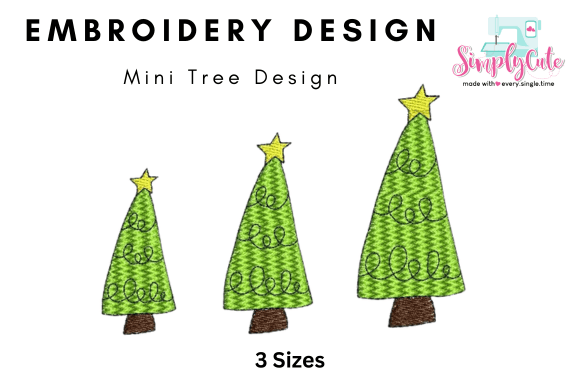
When I first opened the file for the Mini Tree Embroidery Design, I wasn't just looking at a shape; I was visualizing where it would live on a finished product. As someone who has spent years evaluating digital assets for both personal hobbies and commercial small business ventures, my initial reaction was one of cautious optimism. This isn't a massive, overpowering centerpiece meant to dominate a sweatshirt chest. Instead, it feels like a sophisticated accent piece designed to add a touch of seasonal charm without overwhelming the garment or fabric.
The design immediately strikes me as versatile. While the prompt explicitly mentions it as a Christmas motif, the simplicity of the "mini" tree concept allows it to transcend the holidays. It could easily serve as a year-round botanical element or a subtle nod to nature in a nursery collection. The mood it creates is cozy, approachable, and distinctly handmade. In an era where consumers are increasingly seeking authentic, artisanal goods over mass-produced items, this embroidery file hits that sweet spot perfectly.
Real-World Application: From Digital File to Finished Product
To truly understand the value of this asset, we need to move past the screen and imagine the stitching process. Let's say I am preparing a custom order for a local boutique client who sells holiday-themed gifts. They want a line of tote bags featuring simple, elegant designs. My mind immediately goes to how the Mini Tree Embroidery Design would perform on a canvas tote bag.
The scale of this design is ideal for a tote bag corner or a front pocket placement. Unlike larger, denser patterns that might cause puckering on thin cotton canvas, this mini design likely maintains a cleaner profile. When stitched, it should look crisp and defined, adding immediate perceived value to what might otherwise be a plain accessory. For an Etsy seller or craft fair vendor, this level of detail is crucial. Customers can see the quality in the stitch definition, which builds trust in the brand before they even touch the item.
I also envision this design on baby clothing. There is a specific market demand for personalized gifts for newborns and toddlers. A tiny embroidered tree on a onesie or a bib offers a delicate aesthetic that parents love. It avoids the bulkiness that can sometimes irritate a baby's skin while still providing a cute, thematic element. If I were creating a set of matching family pajamas, this design would work beautifully as a repeated motif across different garments, creating a cohesive look that feels professionally curated rather than haphazardly assembled.
Technical Performance and Fabric Considerations
As an experienced designer, I always ask: does this design hold up under stress? The performance of any machine embroidery design depends heavily on the interaction between the thread colors, the stitch density, and the fabric texture. For the Mini Tree Embroidery Design, the layout suggests a balance of satin stitches for the outline and fill stitches for the body, potentially with running stitches for texture.
This combination generally works well on stable fabrics like denim, twill, and medium-weight cotton. However, there are scenarios where caution is required. If you plan to use this on a stretchy fabric like a jersey knit t-shirt, you must ensure you are using the correct stabilizer to prevent distortion. Without proper backing, even a small design can warp, ruining the symmetry of the tree. Similarly, on textured fabrics like heavy wool or boucle, the fine details of the mini tree might get lost in the weave of the material. In those cases, a smoother fabric blend would yield a much sharper result.
Another critical factor is hoop size. Because this is a "mini" design, it is perfect for smaller hoops, allowing for intricate placement on areas like cap fronts, apron pockets, or pillow covers. However, if you attempt to stitch this on a curved surface like a baseball cap, you must test the curvature carefully. A design that looks flat on a sample board might distort when pulled tight around the curve of a hat. Always run a test stitch on scrap fabric that matches your final project material to check for tension issues.
Where to Use (and Where to Think Twice)
While this design is highly adaptable, it is not a one-size-fits-all solution. Here is a breakdown of where it shines and where it might struggle:
- Best For: Tote bags, aprons, kitchen towels, baby clothes, patches, and light-to-medium weight apparel. It excels as a decorative accent on holiday gifts, wedding favors, and boutique branding materials.
- Use With Caution: Dark fabrics require high-contrast thread colors to ensure visibility. If the tree is too small relative to the background color, it may disappear. Thin or sheer fabrics need extra stabilization to prevent the design from pulling through. Additionally, avoid using dense stitch areas on items that will undergo frequent, harsh washing, as this can lead to premature wear or pilling.
- Licensing Check: Before selling finished products, confirm the licensing terms of the digital file. Some designs are for personal use only, while others allow commercial sales of the finished item. Ensuring you have the right permissions protects your small business from legal issues.
Visual Appeal and Brand Consistency
In the world of handmade products, presentation is everything. The Mini Tree Embroidery Design contributes significantly to the overall visual appeal of a project. A clean, well-executed embroidery job signals professionalism. When a customer sees a neatly stitched tree on a gift box or a personalized apron, it elevates the item from a generic commodity to a thoughtful, crafted piece.
For digital product sellers, this design is also valuable for creating printable mockups. You can visualize how the design looks on various backgrounds, helping you create attractive listings for your online shop. The simplicity of the tree allows it to blend seamlessly with other design elements, making it a great building block for larger collections. Whether you are designing a full holiday catalog or a single limited-edition item, consistency in stitch quality and design style helps build a recognizable brand identity.
Final Thoughts for the Maker
If you are a crafter, hobbyist, or small business owner looking to expand your product line, the Mini Tree Embroidery Design is a solid addition to your library of design assets. Its versatility makes it suitable for a wide range of projects, from quick personal gifts to commercial merchandise. However, success lies in the preparation. Test the design thoroughly, pay attention to thread contrast, and choose the right fabric and stabilizer combination.
Remember, the goal is to create a finished product that reflects care and skill. By taking the time to evaluate how this design performs in real-life situations, you ensure that every stitch adds value to your work. Whether it ends up on a child's winter coat, a festive holiday ornament, or a custom tote bag, this design has the potential to become a beloved part of your creative toolkit. Just keep in mind that while the design itself is ready to go, your expertise in execution is what truly brings it to life.