Lucky Day Embroidery Design Review
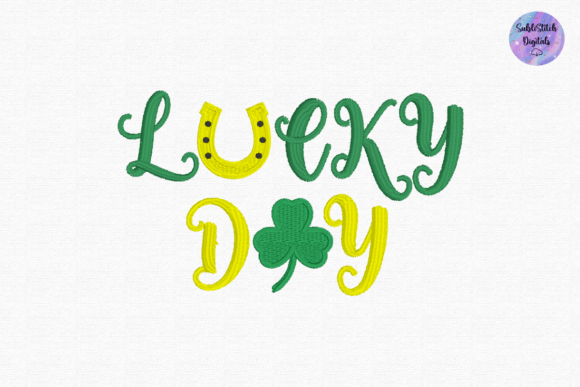
When I first opened the Lucky Day Embroidery Design, my initial reaction was a mix of nostalgia and practical curiosity. As someone who has stitched thousands of designs for clients ranging from local boutiques to large corporate events, I know that a St. Patrick's Day theme can easily slip into cliché territory if not handled with care. This design avoids that trap by focusing on a clean composition of clovers and a classic horseshoe. It feels less like a generic holiday clipart and more like a cohesive piece of art ready for the hoop.
The mood it creates is festive yet grounded. There is no clutter here, just the essential symbols of luck and Irish heritage. For a designer or small business owner looking to add seasonal flair without overwhelming their brand aesthetic, this embroidery file strikes a nice balance. It suggests joy and good fortune, making it an ideal candidate for personalized gifts, boutique merchandise, or even a fun addition to a custom sweatshirt collection.
Real-World Application: From Digital File to Finished Product
To truly understand the value of this Lucky Day Embroidery Design, we have to move beyond the screen and imagine it in action. Let me walk you through a scenario I recently encountered while prepping for a craft fair. A client approached me needing a set of custom tote bags for a St. Patrick's Day pop-up shop. They wanted something that screamed "luck" but didn't look cheap or overly busy.
I pulled up this design to test on a canvas tote bag. The layout worked beautifully. The clovers and horseshoe sat perfectly centered, creating a focal point that drew the eye immediately. When I ran the machine, the stitch density felt substantial enough to hold its shape on the thick canvas, yet flexible enough to drape naturally over the bag's surface. The result was a high-quality handmade product that looked professional and inviting. Customers at the event loved it because it felt authentic, not mass-produced.
This same logic applies to other projects. Imagine stitching this onto a baby onesie for a "Lucky Baby" photo shoot. The soft curves of the clovers would be gentle against delicate skin, and the horseshoe adds a playful touch. Or consider using it as a logo element for a small coffee shop offering holiday specials. You could place the design on aprons or tea towels, turning everyday kitchen items into memorable holiday embroidery pieces that customers will want to keep.
Technical Performance and Stitch Quality
In terms of technical execution, the Lucky Day Embroidery Design demonstrates solid construction principles. The use of satin stitch for the outlines gives the clovers a crisp, defined edge, which is crucial for maintaining legibility and visual appeal on various fabrics. The fill stitches within the leaves provide a rich texture that catches the light, adding depth to the final piece. This attention to detail elevates the perceived value of any finished product created with it.
However, every machine embroidery design has its nuances. The horseshoe element relies heavily on consistent thread tension to maintain its iconic U-shape. If your machine is slightly out of alignment, or if you are using lower-quality threads, you might see slight puckering in that area. This is why testing on scrap fabric is non-negotiable. I recommend running a quick test on the specific fabric you intend to use—whether it is a stretchy jersey for a t-shirt or a sturdy denim for a hat—to ensure the stitch density works well with the material.
For those considering this for commercial embroidery projects, such as producing inventory for an Etsy shop, the design offers versatility. It transitions smoothly from a simple monochrome look on a dark shirt to a vibrant multi-color display on a white hoodie. The design assets are robust enough to handle different thread colors, allowing you to customize the palette to match your brand identity or current trends.
Where to Exercise Caution
While this design is versatile, there are specific scenarios where you should approach with caution. First, avoid using it on very small hoop sizes. If you attempt to shrink this down too much for a keychain or a tiny patch, the details of the clover leaves may become muddy, and the horseshoe might lose its definition. In these cases, the embroidery project could end up looking blurry rather than sharp.
Second, be mindful of textured or highly stretchy fabrics. While it works well on cotton and canvas, applying this design to a loose-knit sweater or a thin, stretchy polyester blend without proper stabilizer could lead to distortion. The weight of the stitches might pull the fabric, causing the design to warp during wear or washing. Always use the correct stabilizer for the fabric type to ensure the design sits flat and true.
Dark fabrics present another challenge. If you plan to stitch this on a black or navy garment, the contrast of lighter thread colors must be carefully selected. If the thread is too similar in tone to the background, the intricate details of the clovers might disappear. Conversely, on light fabrics, ensure your underlay stitches are sufficient to prevent the design from sinking into the weave.
Impact on Brand and Customer Perception
For Etsy sellers and small shop owners, the quality of your embroidery directly influences customer trust. A well-executed Lucky Day Embroidery Design signals professionalism. It tells the buyer that you care about the details and that your products are made with skill. In a crowded market of digital downloads and mass-produced goods, a high-quality personalized gift stands out.
When customers receive a tote bag or a cap featuring this design, they are likely to appreciate the thoughtfulness behind the motif. The combination of clovers and a horseshoe is universally recognized as a symbol of good luck, making it a perfect giftability choice for friends and family during the spring season. This recognition factor can boost engagement and encourage repeat purchases.
Furthermore, consistency is key for building a brand. If you use this design across your line of products—from sweatshirt embroidery to kitchen towels—it creates a cohesive visual language. Buyers begin to associate the style with your shop, reinforcing your identity as a creator of quality, thematic goods.
Practical Designer Notes for Success
Before you commit to a full production run, follow these essential steps to ensure the best results:
- Test on Scrap Fabric: Always run a test stitch on a leftover piece of your intended fabric. Check for puckering, thread breaks, and overall clarity.
- Review Thread Colors: Experiment with different thread palettes. High-contrast combinations often yield the most striking results for embroidery files.
- Inspect Small Details: Zoom in on the digital preview and then examine the physical sample closely. Ensure the fine lines of the clovers are distinct and not merging together.
- Check Hoop Size: Confirm that the design fits comfortably within your hoop without cutting off edges. Adjust the scaling if necessary before starting the machine.
- Verify Licensing: If you plan to sell finished items, double-check the license terms included with the download. Some digital embroidery files restrict commercial use, while others allow it freely.
- Mockup Testing: Create printable mockups in both color and black and white to visualize how the design looks on different backgrounds before spending time stitching.
By following these guidelines, you can maximize the potential of the Lucky Day Embroidery Design. Whether you are crafting a unique custom apparel item for a friend or building a profitable line of St Patrick S Day merchandise, this design provides a strong foundation. It is a reliable tool in the arsenal of any creative entrepreneur looking to deliver excellence in their embroidery project.